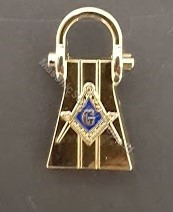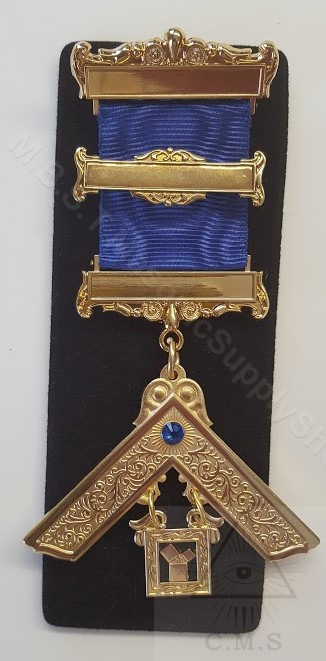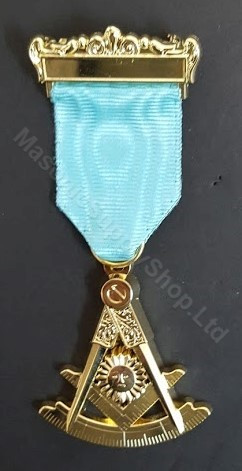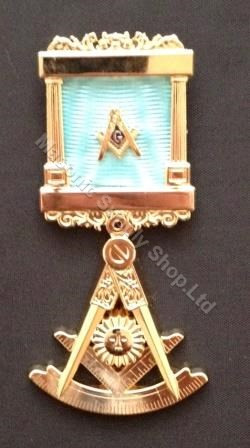
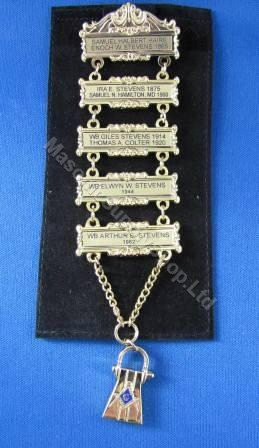
Some Masonic regalia is used for a year and handed on. Family jewels are different: they are meant to stay in a family for generations. The Masonic Lewis jewel is the best-known example, but Past Master jewels, long-service jewels and older regalia often become heirlooms too. This guide covers how families can record, keep and pass on these pieces.
The Masonic Lewis jewel as a family record
A Lewis jewel records the Masonic link between a father and son, and often a whole family line. Each bar typically carries a name, lodge and date. Over time the jewel becomes a compact family history that can be read at a glance.
Families that plan ahead often:
- choose a jewel that allows extra bars to be added;
- agree the order of the bars before the first engraving;
- keep a written record of each generation's details with the jewel.
Other family jewels
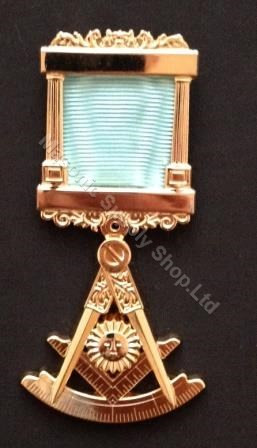
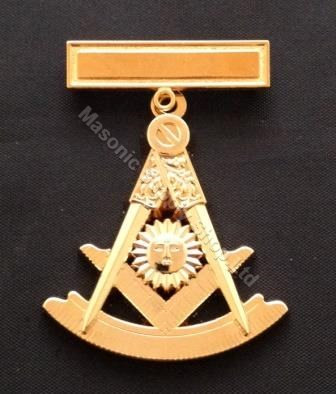
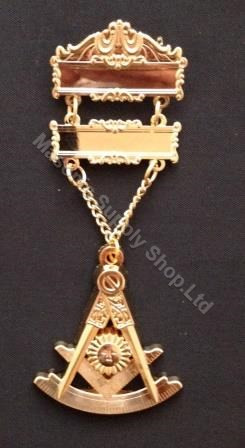
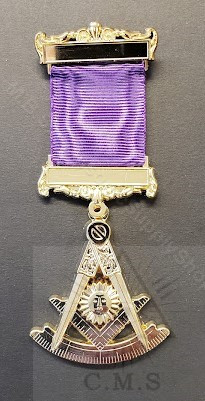
- Past Master jewels, recording a year as Worshipful Master.
- Long-service and anniversary jewels, marking 25, 50 or more years.
- Founder's jewels from a lodge a relative helped establish.
- Appendant body jewels from Chapters, Commanderies, Valleys or Shrine Temples.
Together these tell the story of a relative's Masonic life.
Keeping a family collection together
The story behind a jewel is easily lost. Keep jewels with:
- the relative's certificates and dues cards;
- photographs of him in regalia;
- a short written note of what each jewel commemorates.
A labelled box or shadow box keeps everything together for the next generation. Our guide to Masonic heirlooms explains how to preserve them.
Passing jewels on
When a Brother dies, families often decide who should keep his jewels. Some pass them to a son or grandson who is a Mason; others return them to the lodge or donate them to a Masonic museum. There is no single right answer, but discussing it while the Brother is alive avoids uncertainty later.
Adding the next generation
When a new generation joins the Craft, an extra bar can often be added to the family Lewis jewel. Take the jewel to a supplier or jeweller who can match the existing style, and check the fittings are strong enough.
Buying a jewel to start the tradition
If your family doesn't yet have a Lewis jewel, the raising of a son is a natural moment to begin. Choose a quality jewel with room for future bars.
Lewis jewels for grandsons
The word Lewis is usually applied to the son of a Mason, but many families also mark the initiation of a grandson. Customs differ between Grand Lodges on who may wear a Lewis jewel, so ask your lodge Secretary or Grand Secretary's office before ordering. Where it is permitted, a jewel recording grandfather, father and son becomes a remarkable family heirloom.
Presenting the jewel
Most presentations happen after the degree or at the festive board. A short explanation of the Lewis, the stone-lifting device that gives the jewel its name, helps visitors and family understand why it matters.
Where to buy a Masonic Lewis jewel
Masonic Supply Shop is owned and operated by Freemasons. See its Lewis jewels and Past Master jewels.
FAQ
Can a family jewel be worn by a non-Mason?
Jewels are worn in lodge by entitled Masons. A family can keep and display them at home.
Should we clean an old jewel?
Gently, with a soft dry cloth. Avoid polish on enamel and old gilt.
What if no one in the family is a Mason now?
Consider offering the jewels to the relative's lodge or a Masonic museum, or keep them as a display piece.
How many bars can a Lewis jewel hold?
Designs vary; some hold five or more. Ask when buying.